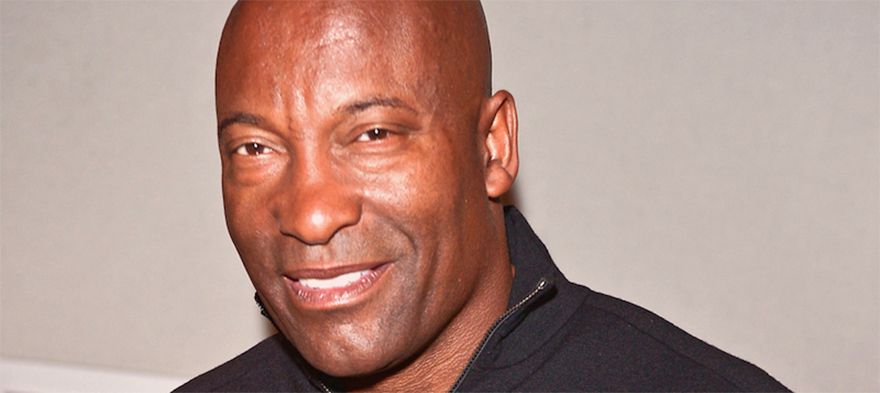

In a 2013 guest column for the Hollywood Reporter, Singleton wrote a thoughtful critique of studio executives’ decisions to tell Black stories without significant Black creative input. “Audiences can smell what’s real and what isn’t,” he wrote. “What Hollywood execs need to realize is that Black-themed stories appeal to the mainstream because they are uniquely American. Our story reminds audiences of struggles and triumphs, dreams and aspirations we all share. And it is only by conveying the particulars of African-American life that our narrative become universal.”
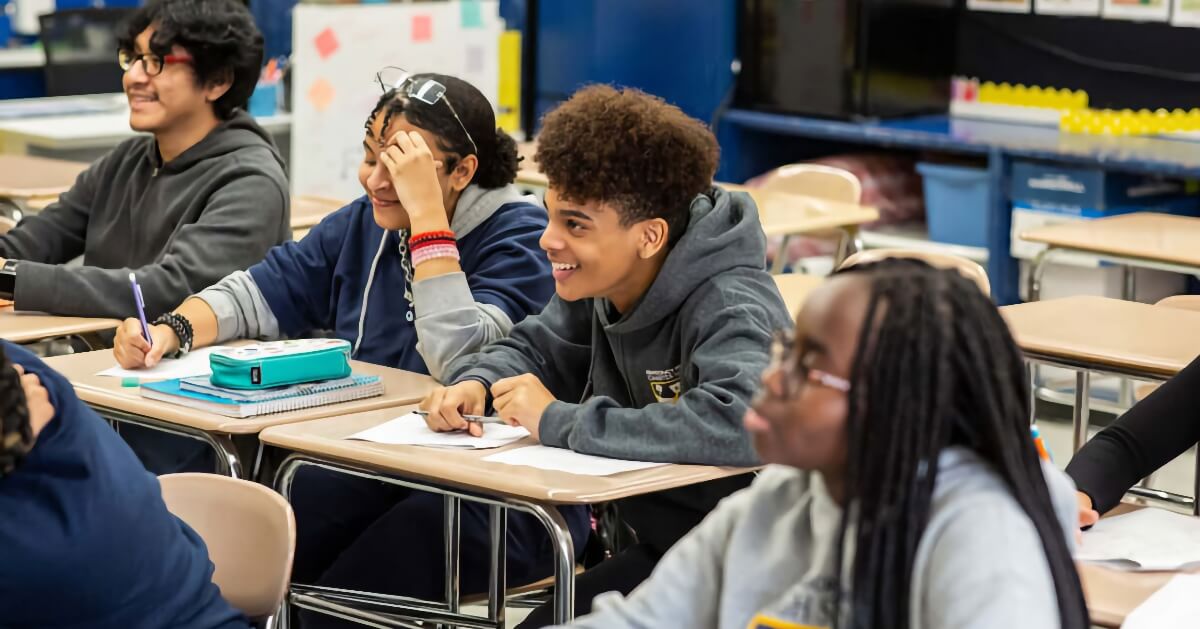
With \”Boyz n the Hood,\” Singleton conveyed the particulars of South Central Los Angeles in a coming-of-age tale that quickly became universal for a generation of Americans. This became real for me in 1993, while teaching in a diverse suburban high school. I had a sophomore English class in the school’s “basic” track—i.e. the least academically challenging level. We were reading a short story about a teenage boy whose mother sends him across the country to live with his dad. The story does not make the mother’s motives obvious.
The students were moderately interested in the story but clearly struggled to understand why the mom made that decision. [pullquote position=\”right\”]At one point I said, “How many of you have seen ‘Boyz n the Hood’?”
[/pullquote]The classroom exploded. Hands went up everywhere. Students burst out spontaneously talking about how great the movie was. After the rush of enthusiasm subsided, I asked, “So, in the movie, why does Tre’s mom send him to live with his dad?”
“To teach him how to be a man,” a student answered. The others nodded. It was easy from there to make the link to the story we were reading.
If I were teaching high school English today, “Boyz n the Hood” would surely be a film worth working into a literature unit. Legendary film critic Roger Ebert described it as “not simply a brilliant directorial debut, but an American film of enormous importance.”
In a 2016 Vanity Fair piece about the making of the movie, actress Nia Long (Brandi) said, “We could have made “Boyz n the Hood” yesterday. It was as if John Singleton cut a hole in the wall and filmed my own life…We’ve been having the same conversation about race for 40 years. It hurts my soul that we are still having these conversations.”
Maybe one day it will be possible to view Singleton’s film as a brilliant depiction of an historical experience. One can only hope so, and be grateful to the passionate, determined director whose guts and creativity brought this story to light against all odds.
“,”_content”:”field_63ed62412def1″,”bottom_margin”:”yes”,”_bottom_margin”:”field_63ed625c2def2″},”mode”:”preview”} /–>