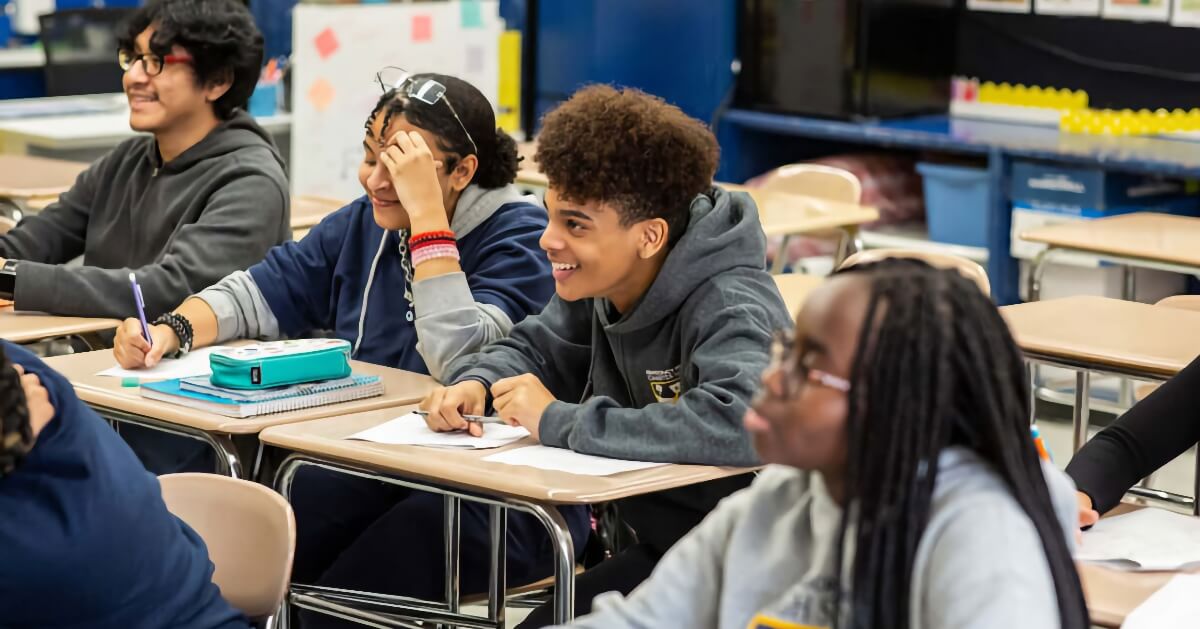


Keeping students engaged was a challenge. A month in, less than half of the students were meeting the requirements. Yet the Academic Recovery team we fielded was determined to push through.
The biggest challenge was helping disaffected students. What happened between the halfway point and the end of the program was a tribute to the teachers’ determination to see their students through. We reached out to families and offered makeup sessions.
Slowly and steadily the number of students catching up climbed. Many reported feeling better about themselves, an important SEL component, and were surprised that we didn’t give up on them.
We also made a point of showing students their successes. A simple yet effective way to do this is by implementing a small wins chart.
By demonstrating the short progress markers students and adults so often overlook as we look to the end goal, students can literally see their progress. Tracking and celebrating small wins has been shown to work. Sharing these individualized progressions with students helps motivate them to move further and further along their road to success. When students see that their imperfect, yet remarkable progress can propel them, they believe in themselves. Kids s쳮d, sometimes in spite of themselves.

Did it work?
At the outset, I expected half the students to s쳮d. That alone would have been progress toward closing the pandemic inequity gap. To my surprise, in the end, 78% of participants (35) s쳮ded in passing by participating in the recovery program.
On an interesting side note, of the remaining 10 students who did not complete the recovery program requirements, seven passed for the year anyway through their own independent efforts with their teachers. In total,
This program is not a catch-all. Yet it gave us a tool in our belt to offset equity gaps, something my team and I are passionate about. I consider perseverance a prerequisite in closing equity gaps. To refuse to give up on any child under any circumstance is what being an educator is about. We were invigorated by the outcome. It will continue to be a valued method in our toolkit to close equity gaps.
“,”_content”:”field_63ed62412def1″,”bottom_margin”:”yes”,”_bottom_margin”:”field_63ed625c2def2″},”mode”:”preview”} /–>