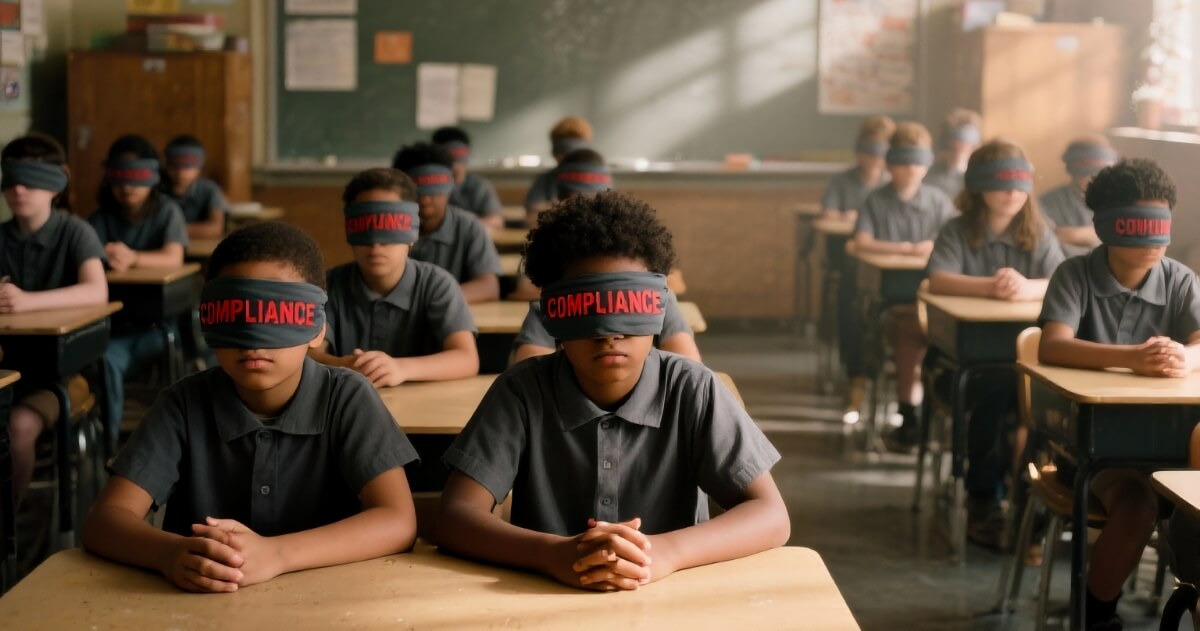


Both the DOE and the College Board know that nearly half of the NYC public school students taking an AP class will fail the exam. The DOE, instead of creating a system to help students s쳮d is, instead, creating a system that encourages (in 2018) 26,438 students to pay to fail.
Despite these incredible failure rates, the DOE is spending millions to expand AP access. This is certainly good news for the College Board, but is it good news for the students? Maybe for some, but on a large scale,
In 2015, 45% of the College Board’s revenue came from AP exams and instruction materials. Since then, the fee for taking an AP exam has been hiked to $94, and these figures disregard the costs of teacher training, and materials, costing the DOE tens of millions of dollars annually.
That was 2015. Since then, the number of students taking at least one AP exam has increased by a third. The number of students passing has increased by 28% meaning proportionally more students are failing than ever before. [pullquote position=\”right\”]Students should not be paying the College Board to fail.[/pullquote] Nonetheless, the DOE is encouraging more and more students to take AP courses for which they are clearly unprepared.
AP for All Hands Too Much Control to a Private Company
The College Board regularly changes curriculum for their courses and changes the format or content of their exams. Aside from forcing students and schools to buy new prep materials every time they do this, this removes the reliability and predictability offered by courses that any individual school may offer and restricts and controls what they teach.
AP courses being pushed by the DOE can displace better, more comprehensive courses that aren’t benefiting the College Board and can be controlled by schools. Just this year at my high school, Stuyvesant, the school administration decided to replace the mandatory physics course for juniors with a mandatory AP physics course.
This received significant pushback and resulted in a compromise in which the school diverged from the stringent AP requirements imposed by the College Board, while still giving students the option to take the AP exam. Clearly, students and parents don’t want the College Board to have such direct control over our education, and yet the DOE is still pushing AP for All as if it will promote excellence and equity.
AP for All Ignores the Individual Needs of Students
There are many more ways for students to gain college credit and experience while in high school, and promoting AP for All is likely not the best or even a good option for many students. College Now offers dual enrollment in a CUNY for NYC high school students, for which they can earn credit. Early College high schools partner with specific colleges so that students can earn one to two years of transferable credit. Many colleges offer summer programs, which high school students can take for credit. (These are usually much more expensive, however.)
If the DOE’s only goal was to make sure the College Board is in charge of all college credit dubiously earned in high school, they even failed at that. The College Board offers CLEP exams which many colleges accept for credit. The key differences between CLEP exams and AP exams are that CLEP exams are offered year-round, cost $89, don’t have an accompanying course, and fewer than 3,000 colleges grant credit for taking them. All this is to say they are less restrictive and less accepted, but does the DOE consider that, for some people, this may be just as good or better of an option? Not to my knowledge. (Schools.nyc.gov has exactly zero mentions of “CLEP”.)
Instead of focusing on giving students the skills they need to s쳮d on any path they may take, and the skills necessary to determine that path, the DOE has preselected a path for “All” students, which sentences countless (55,011 in 2018) students directly into the clutches of the College Board.
Students should be able to make informed decisions about whether they should take AP exams, and schools should be able to make informed decisions about which AP courses and how many they should offer, if any.